
Accessible home planning and aging in place renovation consulting.
I help you plan a house that's beautiful and still works on a bad day, before the easy changes become expensive ones.
Your body changed. You're planning to stay. A parent is moving in. You're renovating anyway.
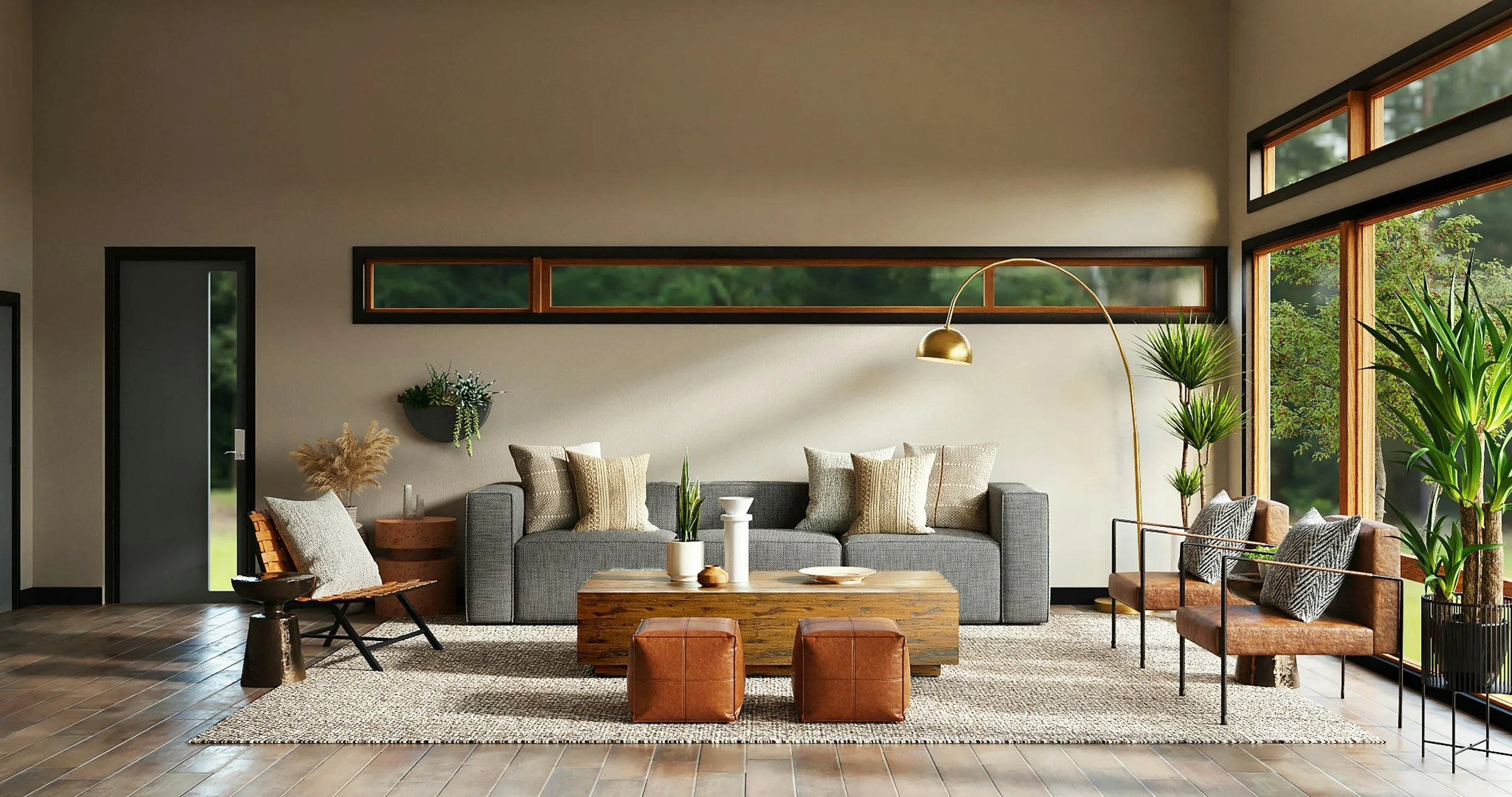
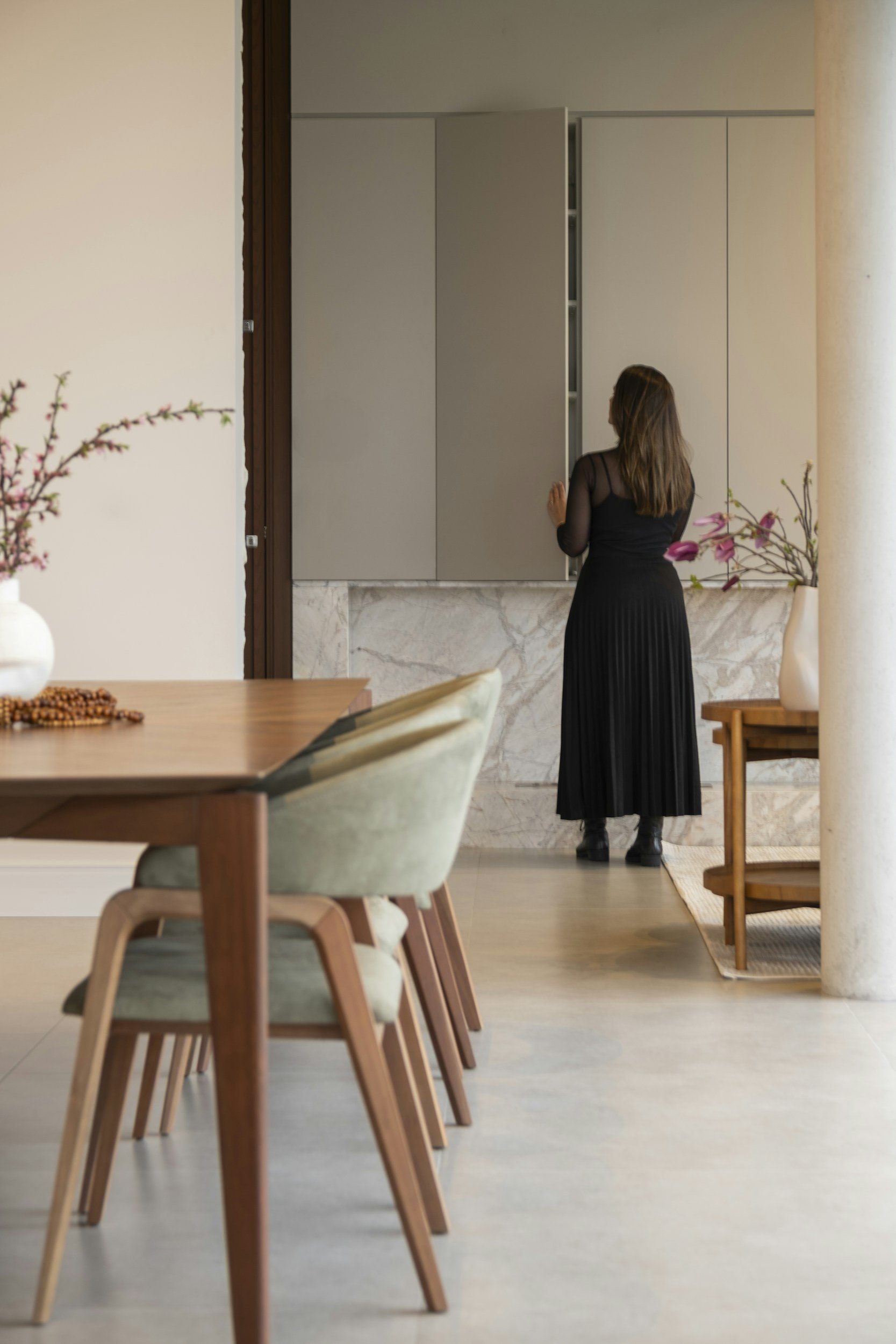
Design can't make a body cooperate. It decides how much a bad day costs you.
You plan the day around one flight of stairs.
You've stopped using the upstairs bathroom. It didn't announce itself. One day you just stopped going up there.
Somebody has to be in the house when you shower.
You know exactly which rooms you've quietly stopped using.
A house can ask more of you than you have to give that day. A step. A reach. Ten minutes standing. Another trip upstairs.
Changing those things doesn't mean giving the house over to beige plastic and institutional white.
It still gets to look like your house. It just needs to ask less of you.
You didn't lose your taste.
Most people start with the object. I start with the room.
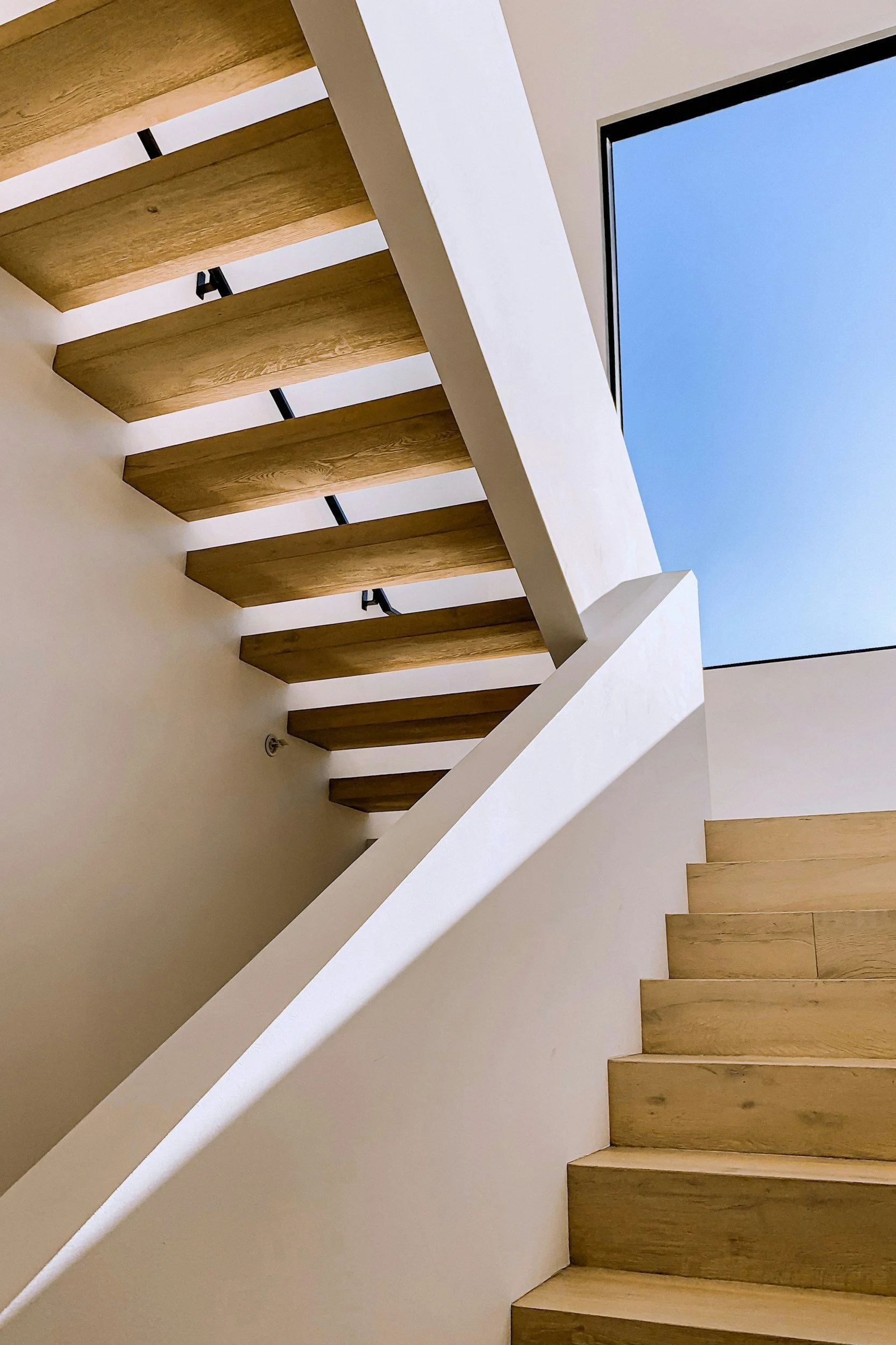
Doors and stairs
Which way the door swings and what it bumps into. How many steps between the bed and the bathroom, and whether there's somewhere to stop halfway.
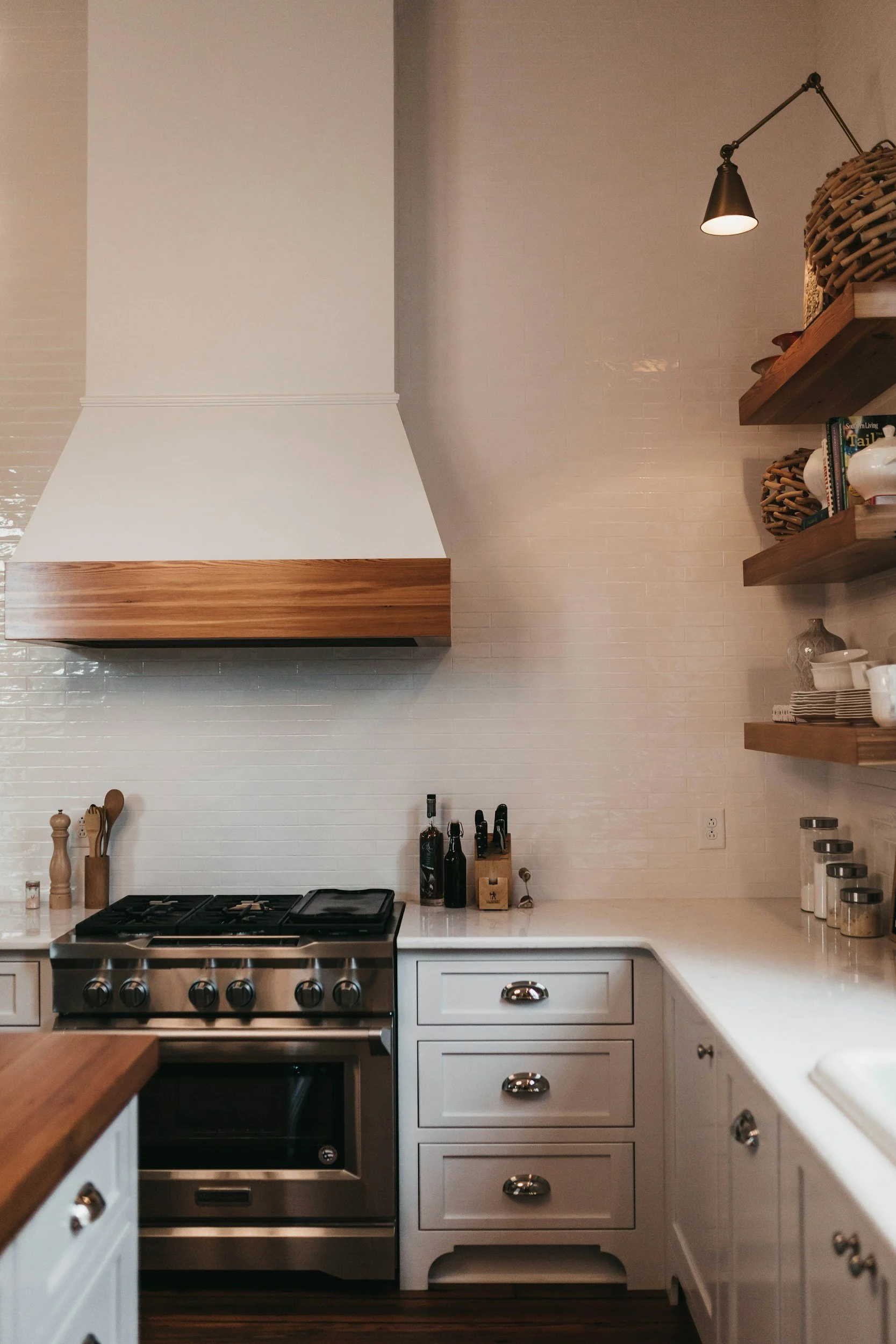
Kitchens and bathrooms
How far you travel to reach a thing, and what you pass on the way. Whether you can work sitting down. Where you set something down when both hands are busy.

Where you rest
How much turning space the room gives you. Where the light is, and whether the switch is anywhere near where you need it. Whether the seat is where you need one.
Beautiful and functional were never a trade-off. When a decision forces you to pick one, I'll say so.
The item didn't change. The week did.
The expensive part isn't usually the thing. It's when you decide.
A wider door costs almost nothing extra when it's on the order. Wood behind the bathroom wall costs a few dollars while the wall is open. After the drywall goes up, those same decisions mean tearing something out.
Your project team is tracking what gets built. I'm tracking which of your decisions gets expensive to change next.
The same decisions, two ways to make them: on your own, or together.
Want the framework? Take the course. Want my judgment on your house? Book the consultation.
The course · $297
Self-directed. A written course you read at your own pace. It tells you which renovation decisions are cheap now and expensive later, and what to ask for.
- Nine short written modules, in the order the decisions close. A Start Here page tells you where to begin if you're already mid-project.
- A Project File you fill in as you go.
- A four-page Meeting Page you hand to your contractor.
- No videos, no live sessions, no start date. Yours to keep.
The consultation · $1,197
Collaborative. Three video calls with me, spread across your renovation. You walk me through your space on camera. I ask the questions, work out what needs attention and when, and turn it into a written plan you can use with your contractor.
- Call 1. I ask about your house, your daily routine, and what's hard on a bad day.
- Call 2. What to change and in what order. The written plan follows within a week.
- Call 3. After a contractor has quoted you. Book it whenever you're ready.
- Nothing to prepare. If you have drawings, I go through them in call 2 at no extra cost.
You pay first, then book. If you are not satisfied with either one, email me within a week and I will refund you in full.
Not ready for either one? Start with the free guide.
The Decisions Your Renovation Makes Without You is a short guide to which choices are nearly free this week and expensive forever after, and how to find out which week you're in. Sign up and the download is yours.
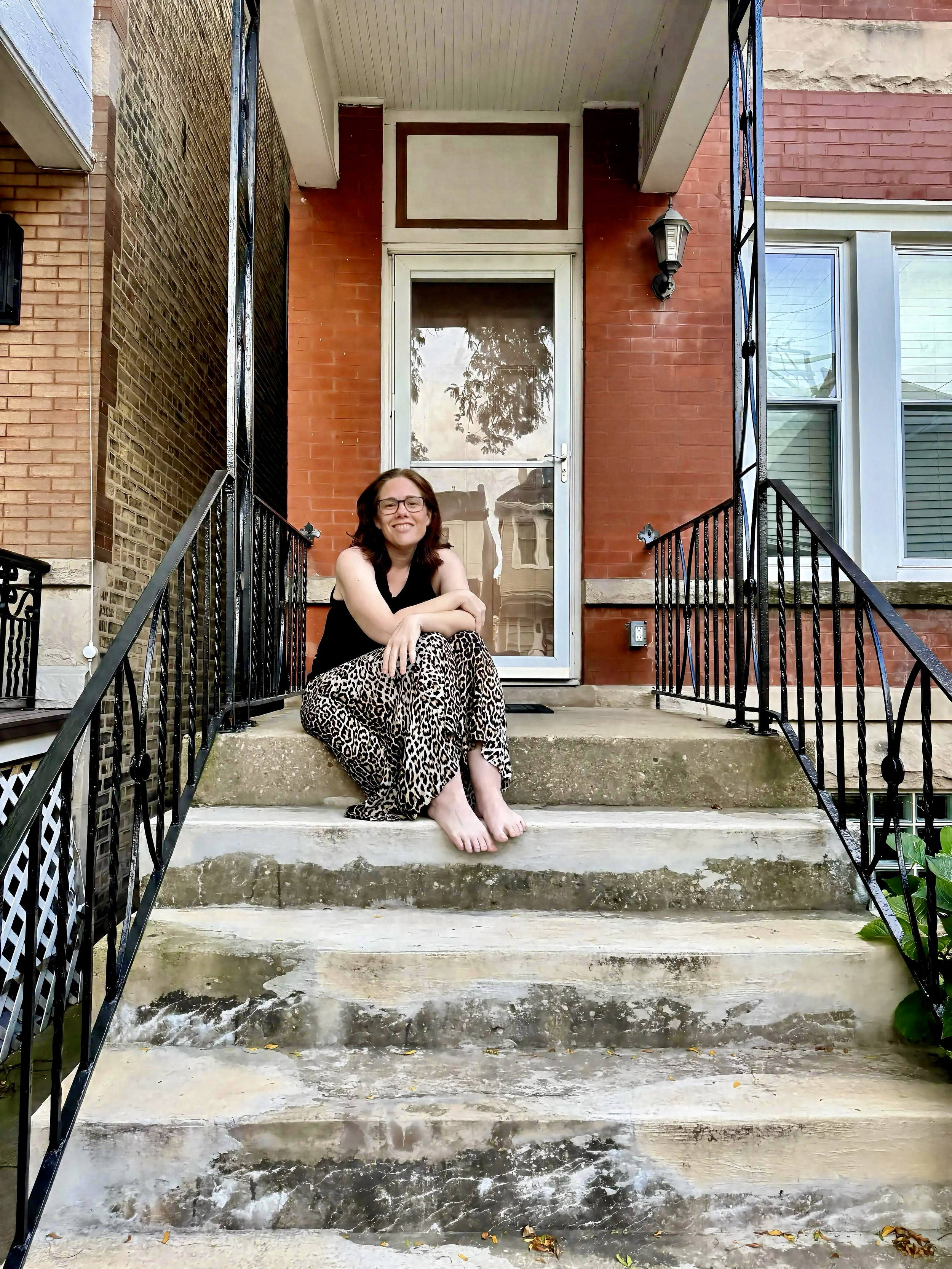
I have the training, and I live with the problem.
Briana J Watson, Certified Environmental Access Consultant (CEAC). Chicago.
I'm a Certified Environmental Access Consultant. The training is about looking at a house and working out what it lets a person do, and what it stops them doing. It isn't a license and it doesn't make me an architect.
I also live with chronic illness, which means good days and bad days can happen in the same week. Level Entry sits between those two things: the building decisions that shape a house, and what it's like to use one when your body isn't predictable.
I'm planning my own Chicago two-flat renovation the same way, in public at The Paulina Stop.
Questions you might be asking. And one you probably haven't.
Why pay for this when there are free checklists online?
A checklist tells you what a generic house should have. It doesn't know your house, your budget, or which walls hold the building up. It doesn't know what your body can do this year or in ten years. A checklist is a list of rules. I give you a list of priorities for your house.
Do you only work with people who are sick or injured?
No. Some of the best work I do is for people who are renovating with nothing wrong yet. A kitchen gets gutted once. If you decide now to put wood behind the shower wall, leave space under the counter, and make the bathroom door wide, it costs almost nothing and nobody sees it. Decide later and it costs a second renovation.
Isn't this what my contractor or architect is for?
Your architect and contractor have their own jobs to do. Mine is narrower. I stay on how the house works for you on a bad day, which decisions get expensive to change next, and whether those requirements are making it into the project before they're built. I give you the questions and priorities to bring back to the people drawing and building the work.
My parent is the one who needs this. Can I hire you for them?
Yes, you can set it up and pay for it. Your parent needs to be on the calls with us. It's their house and they have to live in it. A house planned around someone who wasn't in the room turns out worse.
Can I hire you for the whole project?
No, and you don't need to. Many of the decisions that are most expensive to undo get made before the walls close. My job is to help you find those early, then hand the work back to the architect and contractor who will draw and build it.
Will you draw the plans for my construction crew?
No. I don't draw construction plans, stamp them, or plan exits. Those need an architect or an engineer with a license in your state. What I give you is a list of what to change, what to ask for, and the questions to put to the people you're already paying.
Before the drawings are final.
You don't need to know what you want yet.
You need to know which decisions are easy to make now and expensive to change later, before the drawing is approved, the order is placed, or the wall closes.
Work that out on your own with the course, or with me.